
Vitrified vs Porcelain vs Ceramic Tiles: Which Is Right for an Indian Home
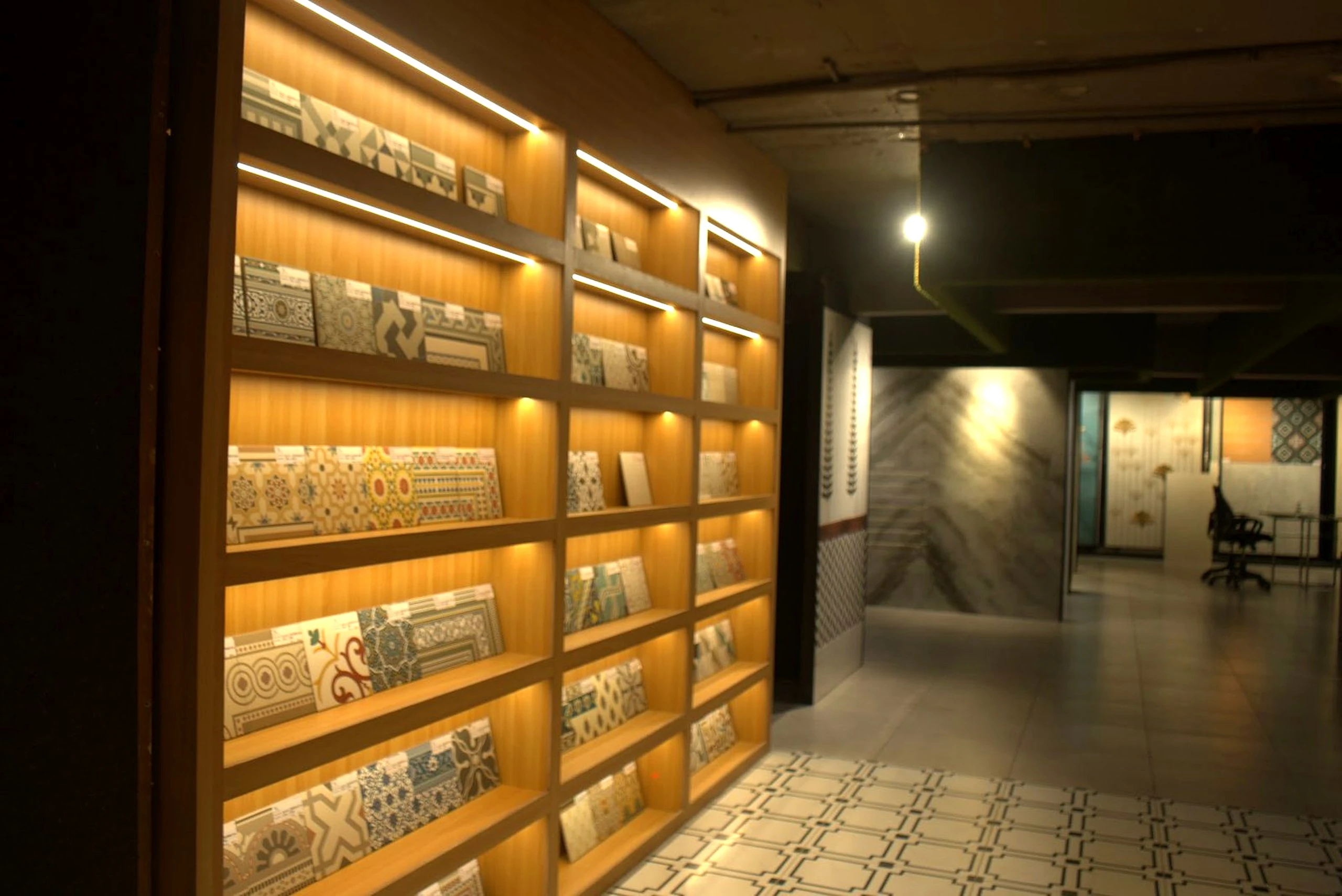
A couple came into the showroom last month with a builder's quotation that read "vitrified porcelain ceramic tiles" as a single line item, one rate for the whole flat. All three words, one price, no size, no brand. They wanted to know whether they were being offered a good tile or a bad one, and the honest answer was that the quotation did not say. The three words describe three different products made in three different ways, and in Delhi NCR they are priced about a decade apart in how long they last. This is what we tell people across the counter when they ask which one belongs in their home.
Three words, one family
Every tile in this article is a ceramic tile in the scientific sense: clay and minerals, shaped and fired until they turn to stone. The trade uses the word ceramic more narrowly, for the softer, more porous tile that came first, and it has invented vitrified and porcelain to describe denser tiles that came later. The three sit on a single scale of density. What moves a tile up that scale is the purity of the raw material, the pressure at which it is pressed, and the temperature at which it is fired.
Ceramic
A ceramic tile has a body of red or white clay with a glaze fused on top. The body is porous, which is why the back of a ceramic wall tile looks chalky and why it drinks water when you wet it. That porosity keeps it light, easy to cut with a hand scorer and cheap to make, which is why almost every kitchen wall and bathroom dado in an Indian builder flat from the last thirty years is ceramic. Its weakness is that the glaze is a thin skin over a soft biscuit. Once the skin is worn or chipped, the body underneath stains and crumbles.
Vitrified
A vitrified tile is made from a finer blend of clay, feldspar, quartz and silica, pressed under far greater force and fired hotter, until the feldspar melts into a glass that fills the pores. The word means turned to glass, and that is exactly what happens inside the body. The result is a tile that absorbs almost nothing, resists staining and carries the weight of a fridge without cracking. In India the vitrified tile is the standard floor tile, and the huge factories in Morbi in Gujarat make more of it than any other region in the world.
Porcelain
Porcelain is the dense end of the vitrified family rather than a separate species. The body uses purer kaolin clays and a higher proportion of feldspar, is pressed harder still and fired at the top of the range, so that water absorption falls to a fraction of what an ordinary vitrified tile achieves. The extra density is what allows porcelain to be made 6 mm thin at 1200x2400 mm and stay flat, to be used on terraces in 20 mm thickness, and to hold a rectified edge without chipping. Brands such as Nexion sell only this grade, and everything in our marble finish range is porcelain for the simple reason that a big, thin, veined slab cannot be anything else.
How each tile is made
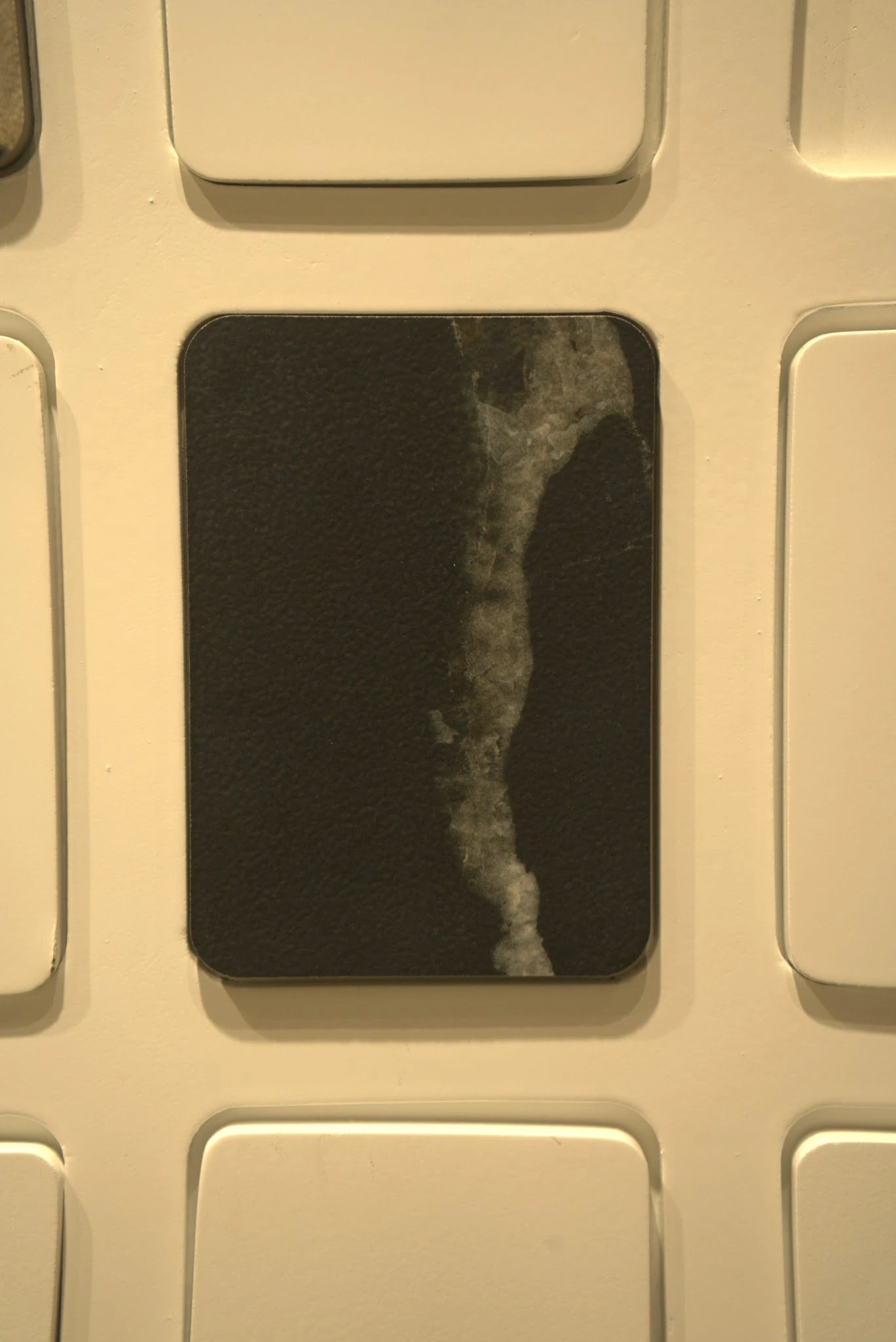
The process is the same in outline for all three and different in every number. Raw material is milled with water into a slurry, dried into a fine powder, and pressed in a steel die. A ceramic wall tile is pressed at a modest force, roughly a quarter of what a porcelain line uses, because the body does not need to be dense and a light tile is easier to stick to a wall. Vitrified and porcelain presses run at several hundred kilograms per square centimetre, and the very large slab lines use a different method altogether, compacting the powder under a continuous belt press instead of a die.
Firing is where the names are earned. Ceramic tiles are fired between about 1000 and 1150 degrees Celsius, hot enough to harden the clay but not hot enough to melt the fluxes in it. Vitrified and porcelain tiles pass through a roller kiln at 1200 to 1250 degrees, and at that temperature the feldspar becomes liquid glass, flows into the spaces between the clay and quartz particles, and freezes there as the tile cools. This is vitrification. The tile shrinks by 7 to 10 percent in the kiln, which is why every vitrified tile is slightly smaller than its nominal size and why rectified tiles are ground square after firing.
Decoration happens between pressing and firing. A glaze is sprayed on and, in a glazed vitrified tile, a digital printer lays the marble veins or wood grain on top of it before the whole thing goes into the kiln together. Full body and double charge tiles skip the print and carry their colour through the thickness. Those variations within the vitrified family have their own guide in our comparison of GVT, PGVT, double charge and full body tiles, so here we stay with the three main bodies.
Water absorption: the number that decides the name
Ask a factory or a good showroom what a tile is and the answer should be a percentage. Water absorption is measured by boiling or soaking a dry tile and weighing how much water it takes up, under the test method ISO 10545-3. It is the single most reliable indicator of how dense the body is, and both the Indian standard and the international one classify pressed tiles by it. IS 13006, published by the Bureau of Indian Standards, follows the same groups as ISO 13006, and the groups are worth remembering because they are printed on every honest technical sheet.
| Group (IS 13006 / ISO 13006) | Water absorption | Trade name in India | Typical firing | Where it belongs |
|---|---|---|---|---|
| BIa | 0.5 percent or less | Porcelain, full vitrified, PGVT slabs | 1200 to 1250 degrees C | All floors, wet areas, outdoors, facades, worktops |
| BIb | 0.5 to 3 percent | Vitrified, some GVT and double charge | 1180 to 1220 degrees C | Interior floors, dry and semi wet areas |
| BIIa | 3 to 6 percent | Ceramic floor tile | 1100 to 1150 degrees C | Light traffic floors, walls |
| BIIb | 6 to 10 percent | Ceramic wall and floor tile | 1050 to 1120 degrees C | Walls, very light domestic floors |
| BIII | Above 10 percent | Ceramic wall tile | 1000 to 1100 degrees C | Interior walls only |
Two lines on that table settle most arguments in the showroom. Anything above 3 percent is ceramic and belongs on a wall or, at a stretch, a light traffic floor. Anything at 0.5 percent or below is porcelain grade, whatever the carton chooses to call it. The band between them, 0.5 to 3 percent, is where most Indian vitrified tiles live, and it is a perfectly good place for a bedroom or living room floor. The reason the threshold matters so much is that a porous body wicks water and dirt upward into the tile, holds monsoon damp against the adhesive, and expands and contracts more than the glaze on top of it. That last point is why old ceramic floors show fine cracks in the glaze and vitrified floors do not.
Hardness and wear: MOHS and PEI
Density is one thing and surface toughness is another, and two ratings describe the surface. The MOHS scale runs from 1 for talc to 10 for diamond and measures scratch resistance. A ceramic glaze usually sits around 5 to 6, which is roughly the hardness of a steel knife, so keys and sand will scratch it over time. A vitrified surface scores 6 to 7 and a polished porcelain body 7 to 8, harder than quartz sand, which is the grit that actually wears a floor in Delhi. That difference is the reason a five year old ceramic floor near a balcony door looks dull along the traffic path and a porcelain floor does not.
PEI is a class rather than a scale. It comes from an abrasion test on glazed tiles, ISO 10545-7, in which steel balls are spun on the glaze until the wear becomes visible. Class 1 and 2 are wall tiles. Class 3 takes normal domestic foot traffic, class 4 takes heavy domestic and light commercial traffic, and class 5 takes anything up to a shopping mall. A good glazed vitrified tile is PEI 4. Most ceramic floor tiles are PEI 3, and a ceramic wall tile has no meaningful PEI class at all, which is what a mason means when he says a wall tile "will not take the floor". Full body porcelain has no glaze to wear through, so PEI does not apply and the MOHS figure carries the whole story.
Where the Indian trade uses the words loosely
The words on a carton are not regulated in the way the percentage is, and the Delhi NCR market has developed habits that confuse buyers. The first is that "vitrified" has become the generic name for any floor tile, so a dealer may say vitrified for a BIIa ceramic floor tile because that is what the customer expects to hear. The second is the opposite: "porcelain" is used as a premium label for ordinary glazed vitrified tiles in a 600x1200 size because the word sells. Some Morbi cartons print "porcelain" on one side and "vitrified" on the other, and the factory is not being dishonest, it is simply covering both markets.
The third habit is to describe the finish and skip the body. Nano polished, glossy, matt, sugar finish, carving and satin are all surface treatments, and a customer can leave a shop knowing everything about the shine and nothing about absorption. The fourth is the builder quotation our couple brought in, where all three words are strung together as a job description rather than a specification. None of this is unique to Noida, but it is the reason we insist on the technical sheet. A sheet that states water absorption, breaking strength, MOHS, PEI and the ISO group is a specification. A carton that says premium vitrified is an adjective.
What each costs in Delhi NCR this season
Prices in this trade move with gas prices in Morbi, with freight and with the rupee, so what follows is a set of ranges rather than a quotation, exclusive of GST at 18 percent, which applies to tiles and adhesives alike. Ceramic wall and light floor tiles in 300x450 and 300x600 mm run Rs 30 to 80 per sq ft in Noida at the moment. Indian vitrified tiles, from a basic 600x600 double charge up to a 600x1200 glazed vitrified tile with a good digital print, run Rs 45 to 150. Porcelain, meaning tiles that meet the BIa figure and are sold on that basis, runs Rs 80 to 300 per sq ft for Indian production in 600x1200 and 800x1600, with imported and premium 1200x2400 slabs from ranges such as Nexion sitting above that.
The gap between ceramic and vitrified is smaller than it looks once installation is added. Adhesive, grout and labour cost Rs 35 to 90 per sq ft depending on tile size, and that cost is the same whether the tile underneath it is worth Rs 40 or Rs 90. On a 1,000 sq ft flat the difference between a ceramic floor and a decent vitrified floor is often under Rs 60,000 on a job that costs several lakh in total, and that Rs 60,000 buys a floor that will still be intact when the flat is sold. The full breakdown, including labour rates by tile size and a worked estimate for a three bedroom flat, is in our guide to tile prices per sq ft in Noida.
Room by room: which tile where
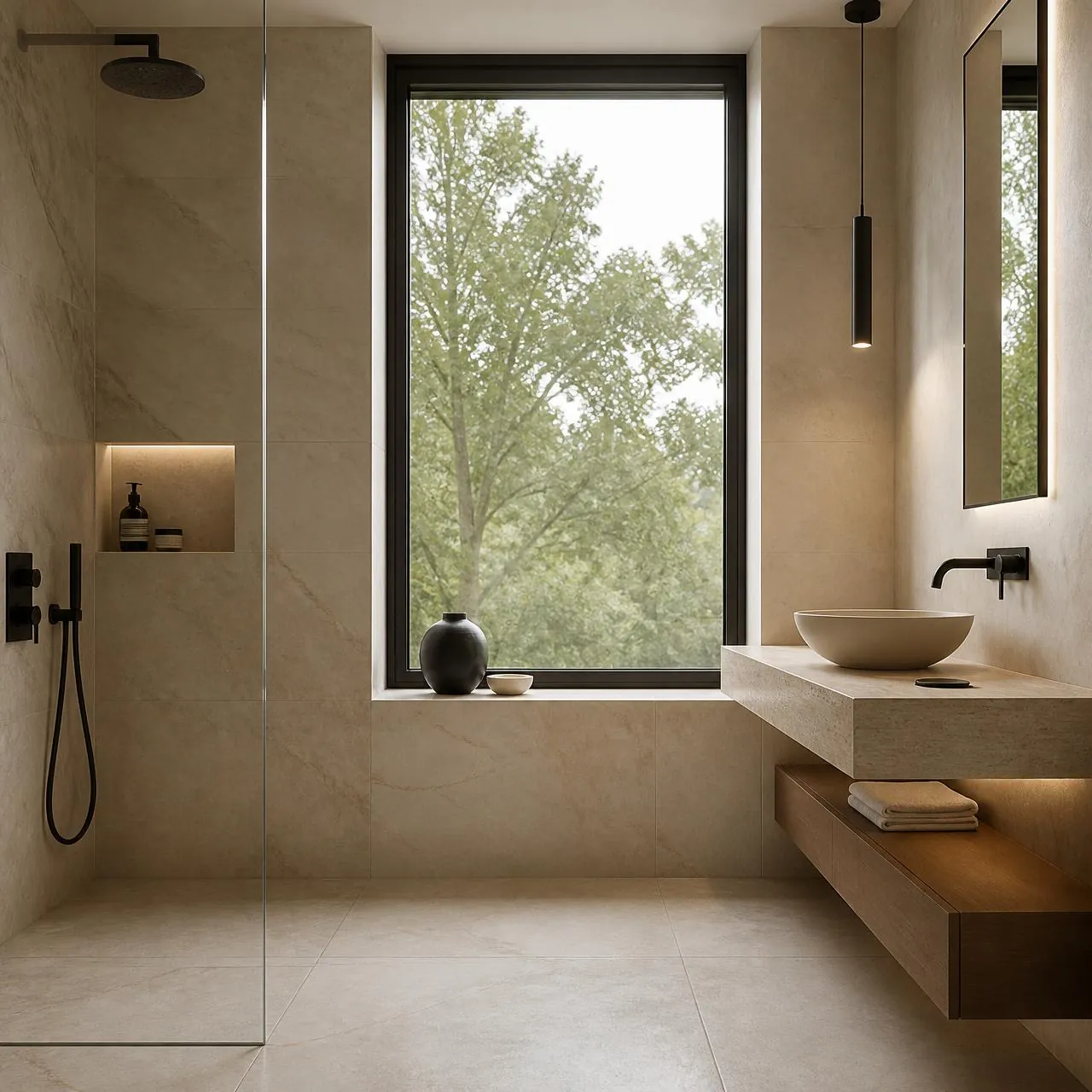
The table below is how we walk a family through a typical Delhi NCR flat, from the entrance to the balcony. The recommendation column is the tile we would put in our own home at a sensible budget; the alternative is what works if the budget is tight or the room is a rental.
| Room or surface | Recommended body | Finish and rating to ask for | Acceptable alternative | Avoid |
|---|---|---|---|---|
| Living and dining floor | Vitrified or porcelain, 600x1200 or larger | Polished or satin, PEI 4 | Double charge vitrified 600x600 | Ceramic of any kind |
| Bedroom floor | Vitrified, 600x600 or 600x1200 | Matt, satin or wood look, PEI 3 or 4 | Ceramic floor tile in a guest room only | High gloss in a room with morning sun glare |
| Kitchen floor | Porcelain | Matt or satin, R10, PEI 4 | Vitrified matt | Polished tiles near the sink, ceramic |
| Kitchen wall and backsplash | Ceramic or porcelain | Glossy for easy wiping behind the hob | Glazed vitrified offcuts from the floor | Unglazed or textured surfaces behind the kadhai |
| Bathroom floor | Porcelain | Structured matt, R11 in the shower, R10 elsewhere | Vitrified matt with R10 | Polished tiles, ceramic |
| Bathroom wall | Ceramic or porcelain | Glossy or polished, any size the wall allows | Glazed vitrified | Nothing in particular; the wall is forgiving |
| Balcony and terrace | Porcelain, 20 mm for open terraces | Matt or structured, R11, frost and UV stable | Vitrified matt on a covered balcony | Ceramic, polished vitrified |
| Entrance, lobby and stairs | Porcelain or full body vitrified | Matt or satin, PEI 4 or 5, step nosing on stairs | Double charge vitrified | Glazed ceramic, thin PGVT on steps |
| Rental or resale flat | Vitrified 600x600 | Satin or matt, PEI 4 | Ceramic on walls only | Anything that needs a specialist to repair |
Three rooms deserve a word beyond the table. In a kitchen the floor takes oil, turmeric, dropped steel and a daily mop, so this is the room where porcelain pays for itself quickest; ceramic on the walls behind the counter is still perfectly sensible. In a bathroom the split is the same: porcelain on the floor for slip rating and absorption, and either body on the walls, where the tile carries no weight and never dries out fully during the monsoon in either case. On a balcony or terrace there is no debate, because a tile that absorbs water will lift and craze after a couple of Delhi summers followed by a couple of Delhi monsoons, and porcelain is the only body that shrugs that cycle off.
Maintenance and how each tile ages
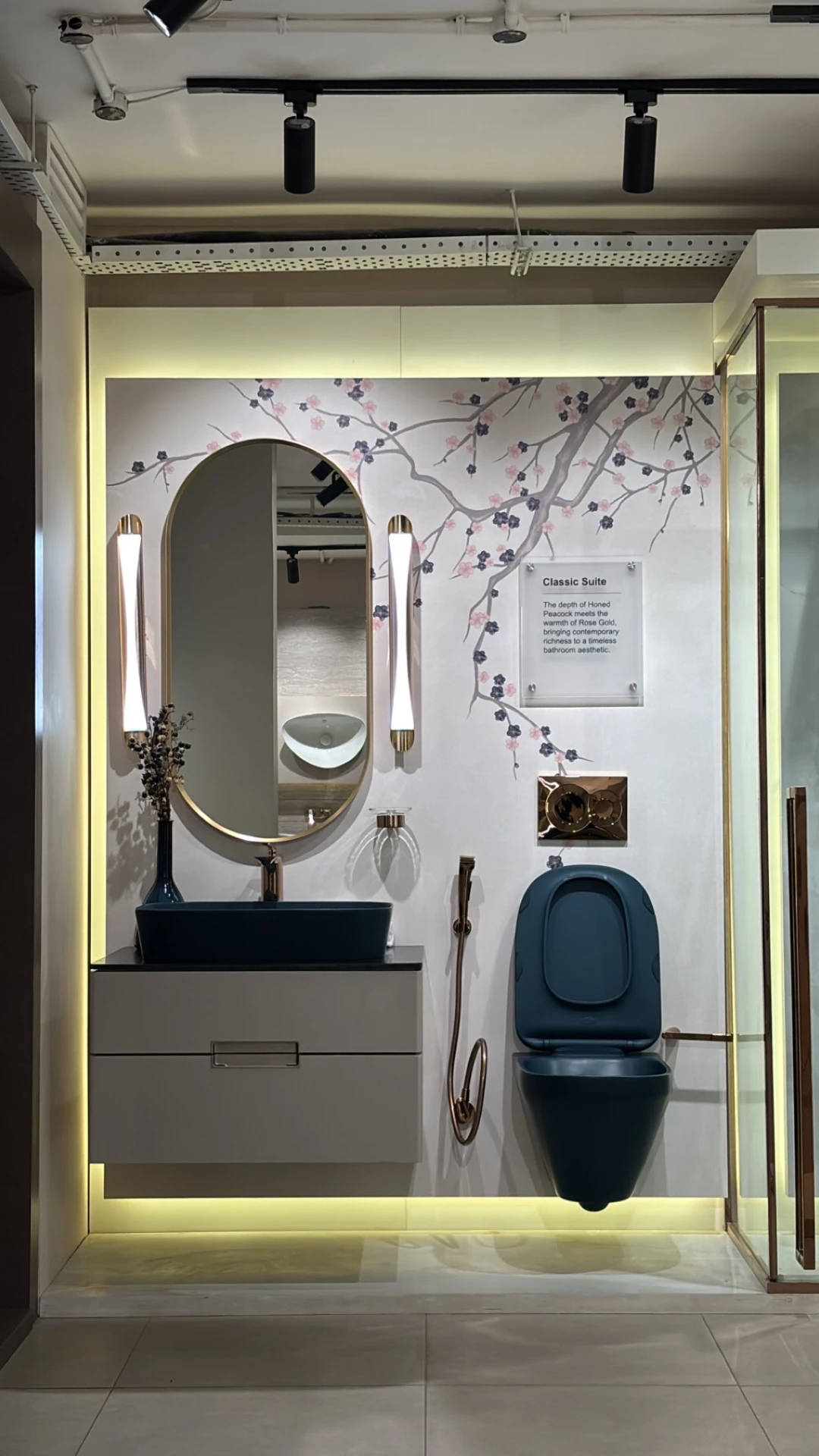
Day to day cleaning is the same for all three bodies: a dry sweep, then a damp mop with plain water or a mild floor cleaner. Acidic cleaners and phenyl in strong concentration attack cement grout and, over years, dull a polished surface, so we recommend a neutral cleaner and a soft mop for every floor we sell. Where the bodies part company is what happens when cleaning is skipped or something goes wrong. Spilt oil or a dropped haldi sabzi on a ceramic floor with a chipped glaze leaves a stain that never comes out, because the body has absorbed it. On a vitrified or porcelain floor the same spill sits on the surface and wipes away a week later.
Ageing follows the same pattern. Ceramic glazes craze and chip at the edges, and the traffic path dulls within a few years. Vitrified tiles keep their surface but a polished glazed vitrified tile can show fine scratches from dragged furniture after a decade, which is why we steer families with children toward satin or matt. Porcelain in a matt or structured finish is close to indifferent to normal domestic life, and full body porcelain hides a chip because the colour runs through. In every case the grout ages faster than the tile. Cement grout darkens and needs cleaning or resealing every few years, while an epoxy grout in kitchens and bathrooms costs more on day one and then stays put, which is the single upgrade we would make on any budget.
How to choose: a short decision path
Start with the surface, not the sample. If it is a wall that nobody walks on, ceramic is a sensible, economical choice and the extra cost of a denser body buys you almost nothing beyond a wider range of large sizes. If it is a floor, ceramic drops out and the choice is between vitrified and porcelain. Then ask whether the floor gets wet or is outdoors. A bathroom floor, a kitchen floor, a balcony, a terrace or an entrance that sees monsoon shoes needs the BIa figure, so it needs porcelain in a matt or structured finish with the right slip rating. A bedroom, a living room or a study in a normal flat is well served by a good Indian vitrified tile, and the money saved can go into a better adhesive and a more careful crew.
Next, decide on size, because size pulls the body decision with it. Anything above 600x1200 mm should be porcelain, since only that body stays flat and holds an edge at scale; the reasons are laid out in our article on large format tiles and their real drawbacks. Then confirm the specification in writing: water absorption, group, PEI or MOHS, slip rating and breaking strength on the manufacturer's sheet, not on the dealer's word. Finally, put the actual tile on the actual floor. A polished porcelain and a glazed vitrified tile in the same marble print look identical under showroom lights and different in the afternoon sun of a west facing Noida flat, which is why we send customers home with full size pieces rather than a chip, and why the racks at the Sector 9 showroom are lit by daylight from the front.
Frequently asked questions
What is the difference between vitrified and porcelain tiles?
Both are dense, low absorption tiles fired above 1200 degrees. Porcelain is the tighter end of the vitrified family: a finer, purer body pressed harder and fired to under 0.5 percent water absorption, which puts it in group BIa of IS 13006 and ISO 13006. In India the two words are often used for the same product, so check the test sheet rather than the label.
Is ceramic or vitrified better for flooring in India?
For floors, vitrified. A ceramic tile has a softer, more porous body that chips at the edges and wears through its glaze under grit and chair legs. Vitrified tiles absorb almost no water, take heavier wear and cope with Delhi's dust and monsoon humidity. Ceramic remains a good, cheaper choice for walls that carry no foot traffic.
What is water absorption in tiles and why does it matter?
Water absorption is the percentage of weight a fired tile gains when soaked, tested to ISO 10545-3. It reveals how porous the body is. Ceramic wall tiles sit above 3 percent and often above 10. Vitrified tiles sit under 0.5 percent. A low figure means fewer stains, no frost or damp problems and a body strong enough for floors and outdoors.
Are porcelain tiles worth the extra cost over vitrified tiles?
In wet rooms, kitchens, balconies and anywhere the tile will be cut thin or laid in a large format, yes. The denser body holds an edge, resists stains and stays flat at 1200x2400 mm. In a bedroom or a rental flat, a good Indian vitrified tile gives nearly the same service at a lower price, and the extra money is better spent on adhesive and labour.
Which tile is best for a bathroom floor: ceramic, vitrified or porcelain?
A matt or structured vitrified or porcelain tile with an R10 or R11 slip rating. Ceramic is fine on bathroom walls but too porous and too soft for a floor that is wet every day. Porcelain earns its premium in the shower zone, where water sits for longest and where thin cuts around the drain need a body that will not chip.
Can ceramic tiles be used on floors?
Only where traffic is light and the tile is sold as a floor grade product with a PEI rating of 3 or higher. Most ceramic tiles in the Indian market are wall tiles, thinner and softer, and they will crack under a wardrobe or a fridge. For a Noida flat we would not put ceramic on any floor that people walk on daily.
How can I check whether a tile is really porcelain?
Ask for the technical data sheet and look for water absorption under 0.5 percent, group BIa, and a breaking strength figure. Turn the tile over: a porcelain body is fine grained and uniform through the edge, not a pale biscuit with a coloured skin on top. A drop of water on the unglazed back should sit as a bead rather than soak in within a minute.
What do vitrified, porcelain and ceramic tiles cost per sq ft in Delhi NCR?
This season in Noida, ceramic runs roughly Rs 30 to 80 per sq ft, Indian vitrified Rs 45 to 150 and porcelain Rs 80 to 300, with imported slabs above that. These are moving ranges, exclusive of GST at 18 percent. Add Rs 35 to 90 per sq ft for adhesive, grout and labour depending on the size of the tile.
Bring the quotation, and we will tell you what it actually specifies. World of Tile keeps ceramic, vitrified and porcelain bodies side by side with their test sheets at A/17, Sector 9, Noida, open every day from 10:30 AM to 8:00 PM. Wet a sample, weigh the difference in your hand and take a full size piece home to see it in your own light.
Plan a showroom visit Message on WhatsApp